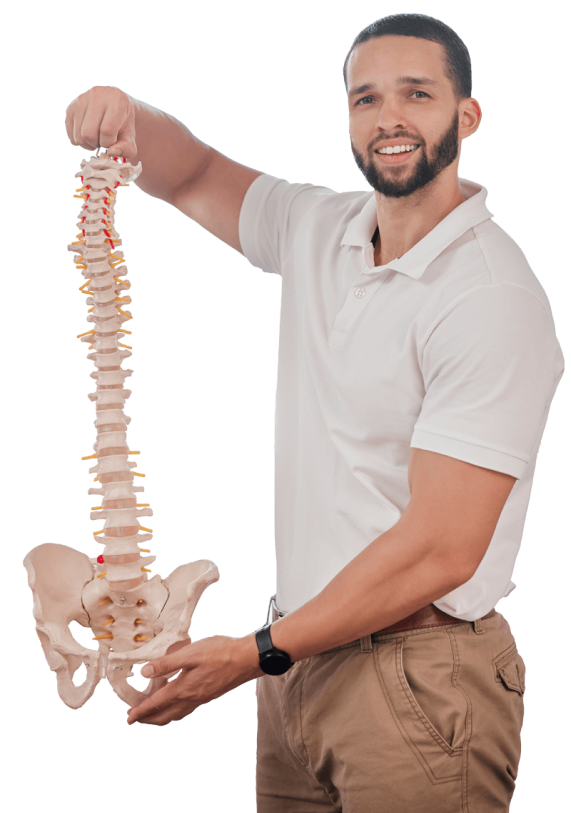

Expert Solutions for Painful or Failed Joint Implants
Have you undergone a knee or hip replacement but are now experiencing pain, instability, or implant-related complications?
You may be in need of a Revision Joint Replacement Surgery—a highly specialized procedure that corrects failed or worn-out joint implants.
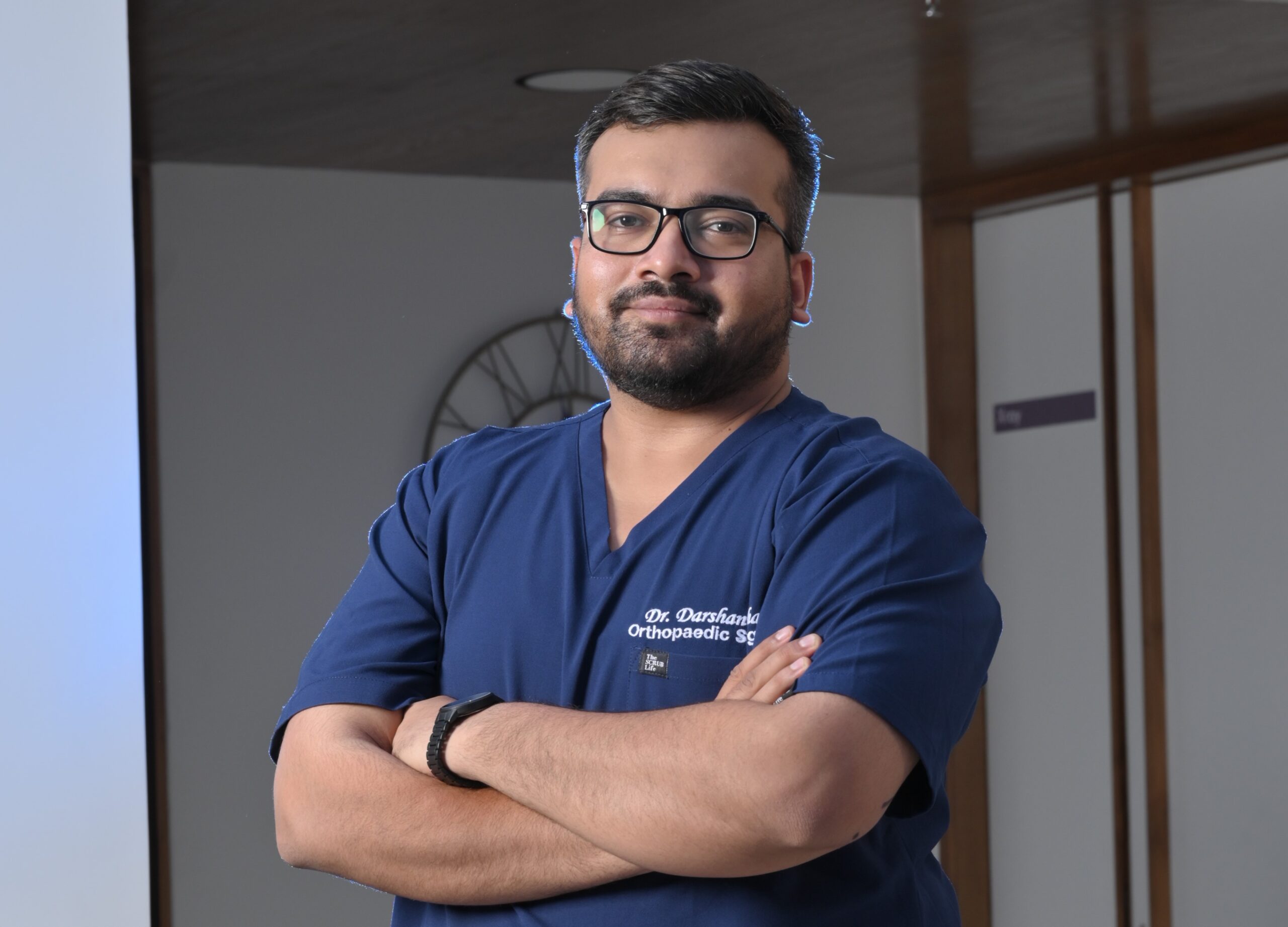
At Phoenix Orthopaedic Centre, Ahmedabad, Dr. Darshan Shah, a pioneer in 3D Robotic and Minimally Invasive Joint Replacement, offers advanced, customized solutions for both revision knee replacement and revision hip replacement surgeries. With extensive fellowship training and expertise in complex orthopedic reconstructions, he ensures accurate diagnosis, precise execution, and long-term relief.
Curious Struggling to Regain your Mobility, Get in Touch with us
Click Here to Click Here to Discover More and Get Personalized Assistance!
What Is Revision Joint Replacement?
A Revision Joint Replacement is a surgical procedure performed to remove and replace a previously implanted artificial joint that has failed or is causing problems.
Common Reasons for Revision Surgery
You may require a revision hip or knee replacement if you are experiencing:
 Persistent joint pain even months or years after your first surgery
- Loosening of the joint implant
- Implant Dislocation
- Joint stiffness or reduced mobility
- Periprosthetic joint infection (PJI)
- Fractures around the implant(periprosthetic fractures)
- Implant wear and tearafter 10–20 years of use
- Technical failure or implant malpositionin primary surgery
Early detection and timely revision surgery can prevent further damage and help restore your quality of life.
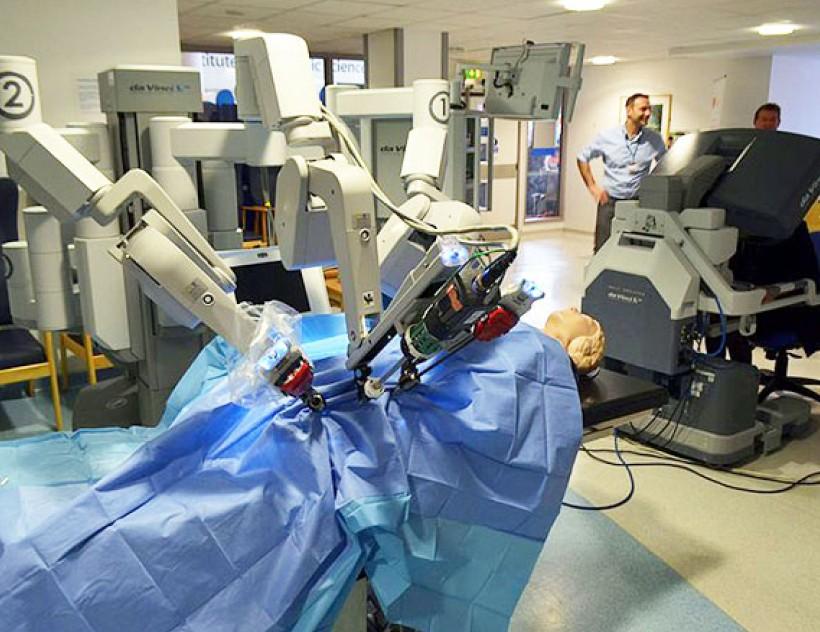
- 1. 3D Robotics & Navigation TechnologyWe use advanced 3D robotic-assisted systems to plan and execute revision procedures with sub-millimetric accuracy, especially when previous implants have altered the anatomy.
- 2. Preoperative Imaging & Bone AssessmentHigh-resolution X-rays, CT scans, and infection markers help us assess implant positioning, bone loss, and soft tissue integrity.
- 3. Specialized Revision ImplantsWe use modular implants, longer stems, sleeves, cones, and constrained designs to restore joint function, even in complex cases with severe bone defects.
- 4. Infection controls
One-Stage vs Two-Stage Revision for Periprosthetic Joint Infection (PJI)Periprosthetic Joint Infection (PJI) is one of the most serious complications after knee or hip replacement surgery. Managing it requires expert surgical planning and a multidisciplinary approach. At Phoenix Orthopaedic Centre, Dr. Darshan Shah offers both one-stage and two-stage revision surgeries, depending on the infection type, severity, and patient condition.✅ One-Stage Revision SurgeryIn a one-stage revision, the infected implant is removed and a new prosthesis is inserted during the same surgery. The joint is thoroughly cleaned, and targeted antibiotics are administered.When is it preferred?- Infection is caused by a known, low-virulence organism
- Good soft tissue condition and minimal bone loss
- Patient is immunologically stable and fit for single-stage reconstruction
Benefits:
- Only one surgery and hospital admission
- Faster recovery and reduced treatment time
- Lower total treatment cost
✅ Two-Stage Revision Surgery
A two-stage revision is the gold standard for treating chronic or complex joint infections. It involves two separate surgeries:
- First Stage: Removal of the infected implant, aggressive debridement, and placement of an antibiotic-impregnated cement spacer
- Antibiotic Therapy 2. 6–8 weeks of tailored intravenous antibiotics
- Second Stage: 3.Once infection markers normalize, a new prosthesis is implanted
When is it preferred?
- Infection caused by high-virulence or unknown organisms
- Presence of sinus tracts, bone defects, or poor soft tissue quality
- Failed previous infection control attempts
Benefits:
- Higher infection eradication rates in chronic or severe cases
- Custom antibiotic therapy ensures deep infection control
- Allows better soft tissue healing before final reimplantation
✅ Expert Decision-Making for Best Results
Dr. Darshan Shah personally evaluates each case to determine the most appropriate strategy—one-stage vs two-stage—based on:
- Microbiological culture reports
- Blood markers (CRP, ESR, WBC)
- Imaging (X-rays, MRI, nuclear scans)
- Overall patient health and surgical history
Our goal is to eradicate infection, restore function, and prevent recurrence, all while minimizing risks and downtime.:
Dr Darshan Shah is a pioneer in infection control and eradication in cases of PJI following Knee and Hip Joint Replacement. He has successfully published various techniques for creating mobile spacers for hip and knee replacement infection control.
- 5. Minimally Invasive TechniquesWhere feasible, MIS (Minimally Invasive Surgery) techniques are used to reduce blood loss, pain, and hospital stay.
- 6. Customized Rehabilitation ProgramsPost-surgery, we design tailored physiotherapy and strengthening protocols to maximize range of motion, joint function, and independence.
Why Choose Dr. Darshan Shah?
-
Fellowship-trained in Advanced Hip & Knee Reconstructions (Netherlands)
-
Over 08-10 years of experience in complex revision joint surgeries
-
Pioneer in 3D Robotics for joint replacements in Gujarat
-
Specialized in infected, unstable, or failed joint prostheses
-
Excellent outcomes with low complication rates
-
Compassionate, personalized, and ethical patient care
Revision Joint Replacement Services at Phoenix Orthopaedic Centre
We offer comprehensive treatment for:
- Revision Total Knee Replacement
- Revision Total Hip Replacement
- Infected Joint Replacement (PJI)
- Revision for Implant Loosening or Dislocation
- Complex Bone Loss and Reconstruction
- Revisions after Failed or Misaligned Primary Surgeries
Cost of Revision Joint Replacement in Ahmedabad
The cost of revision knee or hip replacement depends on several factors:
- Cause of revision (infection, implant failure, etc.)
- Extent of bone loss and need for specialized implants
- One-stage or two-stage procedure
- Hospital stay duration and rehabilitation needs
Estimated range: ₹2.5 – ₹6.5 lakhs
Insurance & Mediclaim are generally applicable. We provide full assistance with pre-approvals and documentation.
Frequently Asked Questions (FAQs)
It is a procedure where a previously implanted knee or hip joint is partially or completely replaced due to failure, infection, or wear.
Common causes include infection, implant loosening, instability, fracture, wear and tear, or poor alignment during the first surgery.
Symptoms like pain, swelling, decreased range of motion, joint instability, or difficulty walking may indicate implant failure. X-rays and tests confirm the diagnosis.
In a one-stage revision, the old implant is removed and a new one is placed in the same surgery. In two-stage revision, the infected implant is removed first, followed by a new implant after infection control.
Revision surgery is more complex, but with modern anesthesia, pain control techniques, and post-op care, patients recover comfortably.
Most patients begin walking with support within 2–3 days and may take 3–6 months for full recovery depending on the complexity.
Yes. Robotic-assisted systems provide greater accuracy, especially in complex anatomical distortions, helping ensure better alignment and implant fit.
Costs vary based on hospital, implant type, and complexity. Typically, revision surgeries cost more than primary surgeries. We offer transparent pricing and assistance with Mediclaim.
Yes, dislocations are one of the indications for revision surgery. A more stable implant design can be used to prevent future dislocations.
Yes, most insurance policies and Mediclaim plans cover revision surgeries if medically indicated. Our staff can help you with documentation and pre-authorization.
Visit Our OPDs Near You!
Locate your nearest OPD for expert consultations and solutions!

Consultation Through Appointment Only
+91 99986 74211
+91 70462 28899
Book Your Appointment